
Skincare
Deep Tissue or Swedish Massage? A Houston Therapist Explains the Difference
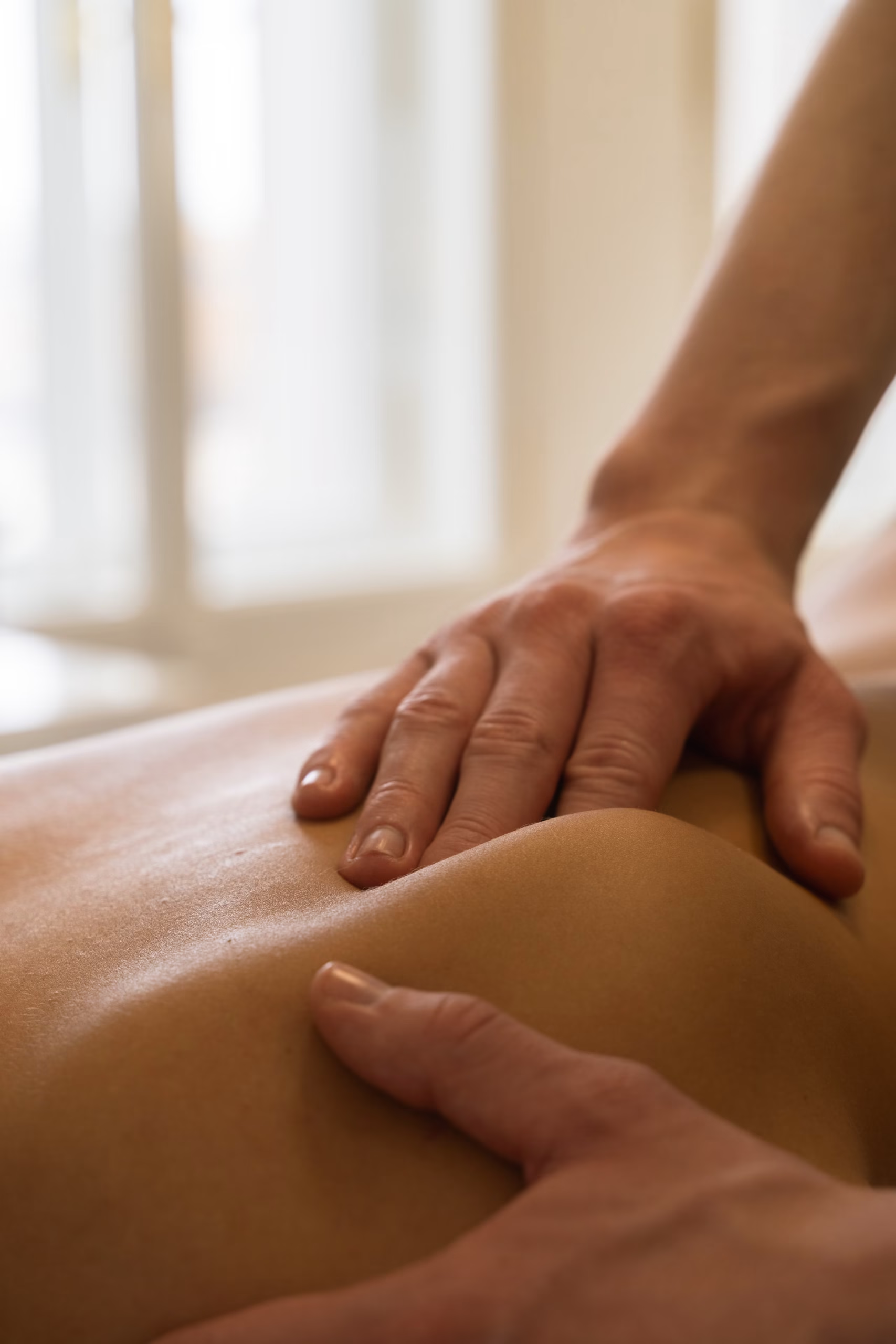
If you’ve ever stood at a booking screen trying to decide between deep tissue and Swedish massage and just picked one because the name sounded familiar, you’re not alone. It’s one of the most common questions we get at our massage studio in Houston, and it’s really the same question as “how much pressure should I ask for” wearing a different hat.
What Swedish Massage Actually Does
Swedish massage uses long, flowing strokes at light-to-medium pressure across the whole body. It’s built for stress relief, circulation and general relaxation, and the pace is slow enough that plenty of people fall asleep. That’s genuinely excellent for poor sleep, general fatigue, and the kind of full-body tension that comes from having had a hard month. What it isn’t built for is a specific, stubborn knot — you’ll feel relaxed afterward, but a tight spot in your shoulder that’s been there for three months is often still there the next morning.
What Deep Tissue Massage Actually Does
Deep tissue uses slower strokes and firmer, more sustained pressure, often working with the fingers, knuckles or forearm to reach deeper layers of muscle, sometimes holding pressure on one spot longer to let a knot actually release. This is the technique for chronic tension, old injuries, and the tight spots that Swedish pressure glides straight past. It isn’t automatically harder pressure everywhere — a good therapist applies depth only where it’s needed and stays lighter elsewhere. It can be intense on a genuinely tight area, and mild soreness the next day is normal, similar to how a hard workout feels a day later. That’s different from pain, and you should always be able to tell your therapist if it crosses that line.
Which One Should You Book
Book Swedish if you want the hour to feel like a genuine escape, you’re dealing with general stress rather than one specific spot, or it’s your first massage. Book deep tissue if there’s a specific area that’s been bothering you for weeks, you sit at a desk all day and carry tension in your neck and shoulders, or you’re working through an old injury with your doctor’s approval. If you’re honestly not sure, say so when you book — many appointments end up blending the two, Swedish strokes through most of the body with focused deep tissue work on one or two areas, which is exactly what our Fusion Massage is built for.
If the pressure ends up wrong either way, say something immediately rather than waiting it out. “A little lighter, please” is a completely normal thing to say partway through a massage, and a good therapist adjusts without missing a beat. The most common way people waste a massage isn’t picking the wrong type — it’s enduring pressure they don’t like because they don’t want to interrupt.
How Often to Book Each
Swedish massage works well as a monthly reset for most people, with no real ceiling if it’s helping you sleep and manage stress. Deep tissue is often more effective as a short series to start — two or three sessions a few weeks apart while you’re working through a specific problem, then spacing out to monthly once it’s resolved. If you get regular tension headaches, they often trace back to tight muscles in the neck and shoulders, which usually responds better to targeted deep tissue work than a full-body Swedish session — tell your therapist where the headaches sit and how often they happen.
Common Questions
One more common question: is deep tissue safe during pregnancy? Certain techniques and positions used in deep tissue aren’t recommended, particularly in the first trimester. We offer a dedicated prenatal massage built specifically for pregnancy, so always mention it when you book.
This article is general information from a licensed spa, not medical advice. If you have a diagnosed muscular or spinal condition, or are recovering from a recent injury or surgery, check with your doctor before booking deep tissue work.